Brahmin Seva

Clip@2x
Layer 114@2x
Brahmin Seva

Importance of Brahmin Seva

Brahmin Seva holds great significance in preserving knowledge, dharma, and cultural traditions within society. It supports the performance of religious rituals and provides spiritual guidance. This service—through respect and charity—is considered essential for repaying Pitru Rin (ancestral debt), pleasing the deities, and maintaining dharma and social order. As described in religious scriptures and traditions, Brahmin Seva brings spiritual merit and peace to individuals and provides moral direction to society.
Brahmins are regarded as representatives of the divine on earth. Worship, respect, and service offered to them are believed to please the gods and help in the successful completion of sacred tasks.
They are custodians and teachers of ancient scriptures such as the Vedas, Puranas, and Shastras, guiding society on the righteous path and ensuring the practice of religious duties.
In religious rituals, marriages, and rites like Shraddha, the presence of Brahmins is considered essential for correct mantra recitation and ritual purity, creating a sacred atmosphere and granting peace to the soul.

Social & Moral Significance

Liberation from Pitru Rin (Ancestral Debt):

Liberation from Pitru Rin (Ancestral Debt):

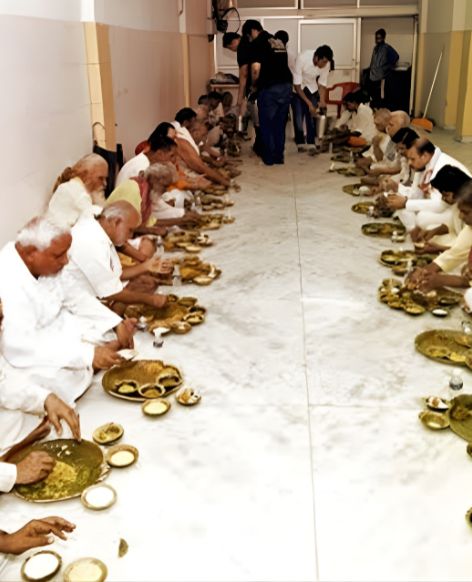
Feeding Brahmins during Shraddha rituals is believed to repay ancestral debts, granting satisfaction to departed souls and aiding their spiritual upliftment.

Guidance to Society:

Guidance to Society:

Through education, values, and ethical conduct, Brahmins are expected to guide society toward a dharmic way of life.

Selfless Service and Welfare:

Selfless Service and Welfare:

Brahmin Seva is not merely about receiving charity; it represents selfless dedication to the upliftment of dharma and society, leading individuals toward paramarth (higher purpose).

In the Modern Context

In the Modern Context

Even today, many people value Brahmins for education, religious duties, and cultural guidance.
Brahmins are encouraged to uphold traditional roles while also contributing through modern education and professions—such as teachers, scientists, and doctors—for the service of society.